Sziget is difficult to sum up as just a music festival.
For a week every August, Budapest’s Óbuda Island becomes its own temporary world, filled with stages, bars, art installations, shops, activities and thousands of people arriving from across Europe. The line-up is obviously a big part of the draw, and this year Thursday brought Florence + The Machine and Lewis Capaldi, followed by Skepta and Bring Me The Horizon on Friday. But spend a couple of days at Sziget and the headliners only really tell part of the story.
That is something the festival itself seems increasingly aware of. Speaking during Sziget 2026, CEO Tamás Kádár explained that while the festival is changing, the aim isn’t to recreate what Sziget was ten years ago. Instead, there is a conscious move towards making the whole island part of the experience, rather than allowing the biggest names on the line-up to define it.
Spend a few hours there and that starts to make sense.
Staying in Budapest Rather Than Camping
Camping isn’t the only way to do Sziget. Staying in central Budapest and travelling to the island each day is a surprisingly easy alternative.
Public transport towards the festival is filled with people doing exactly the same thing, so even without being completely familiar with Budapest, it is fairly difficult to get lost. There are also stewards throughout the journey and around the entrances who can point visitors in the right direction.
Getting home is just as straightforward. Public transport runs back towards the city with plenty of other festival-goers making the journey, while stewards remain visible along the route to help.
Bolt is another easy option. Sziget has a designated exit for taxis, with staff on hand to help festival-goers arrange cars. Considering the number of people leaving the island at once, the whole process feels remarkably organised.
For anyone who wants to experience Sziget without committing to camping, staying in Budapest works incredibly well. It also means the festival can easily become part of a wider city break rather than spending the entire trip on site.
There Is So Much Going On
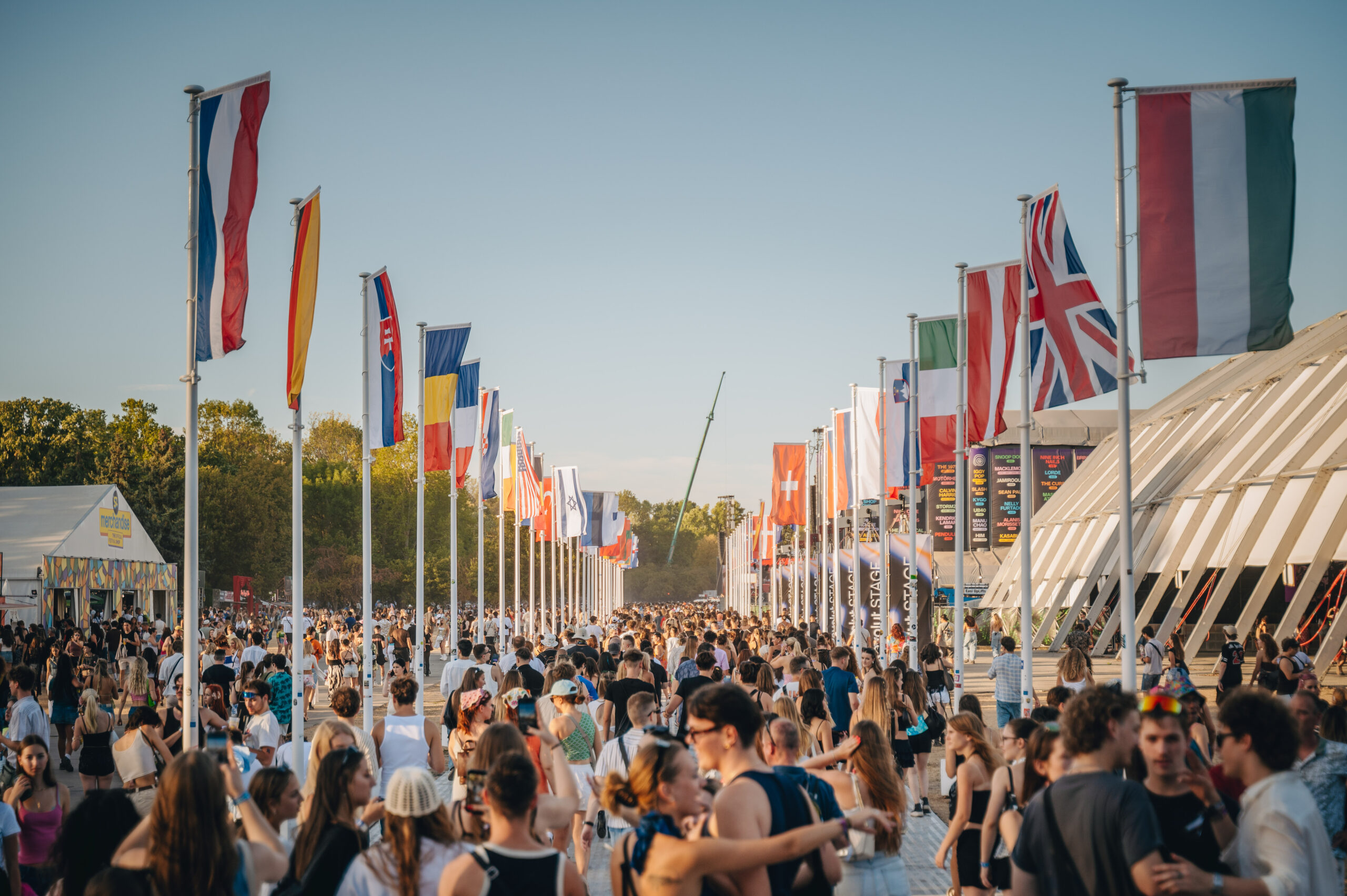
The first thing that becomes apparent when exploring Sziget is just how much there is to do.
The site is huge, but it doesn’t feel as though all the attention has been placed on a handful of big stages. There are smaller music venues, DJ tents, bars, places to sit, shops and installations scattered across the island.
There is a whole shopping street, places offering temporary and real tattoos and plenty of areas to simply sit with a drink for a while. There is even an ALDI on site.
Then there are the activities.
A huge bungee jump towers over part of the festival, repeatedly distracting Lewis Capaldi during his Thursday set. There is also a zip line across the site, which is well worth trying if standing in another queue for a drink doesn’t appeal.
It is these slightly random parts of Sziget that make the festival particularly fun. There isn’t really that familiar festival lull where there is an hour to kill before the next artist. Walk somewhere else and there is almost always something happening.
The Arts Programme Has Become a Bigger Part of Sziget
The non-music side of the festival isn’t there simply to fill space between stages.
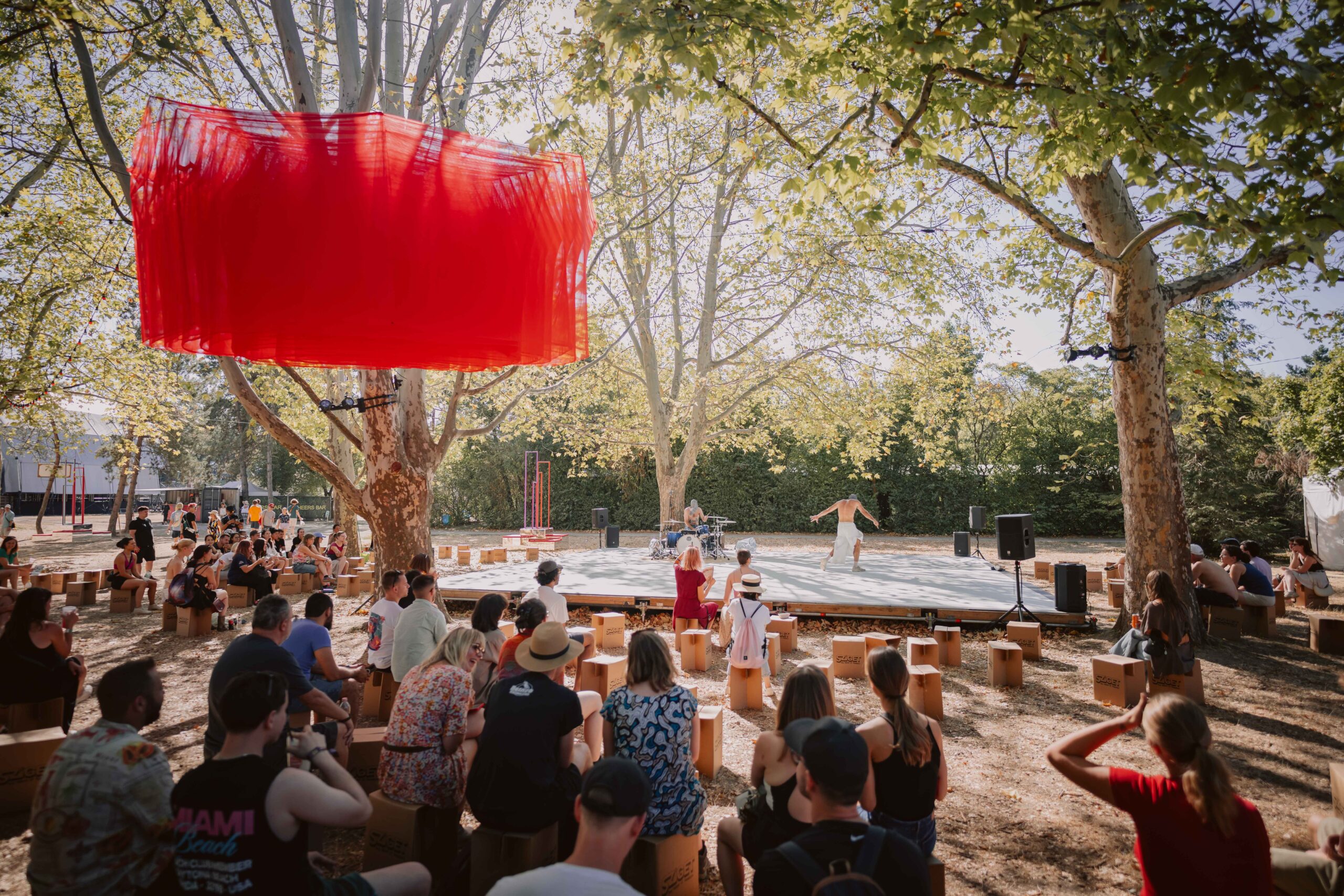
Sziget has put more focus on its arts and experiential programme for 2026, including two new venues and a bigger platform for Hungarian artists and culture.
The Budapest Park stage is dedicated to Hungarian music, while local artists feature across the festival’s performing and visual arts programme. Magic Mirror has continued to develop too, working with more local performers and creating space for artists who previously hadn’t had the opportunity to appear at Sziget.
Jenna Jalonen, Sziget’s Head of Arts and Experiential Program, describes the festival as not only multi-genre but “multidisciplinary, multicultural and multigenerational”.
Walking around the site, that description feels fitting.
Some installations are big and impossible to miss. Others are tucked away and discovered almost accidentally. There are performances, visual art, cultural spaces and smaller encounters happening all over the island, with plenty designed to make people stop for a minute rather than simply walk past on the way to another stage.
It gives Sziget much more personality than a festival built solely around a line-up.
And Then There Is the Music
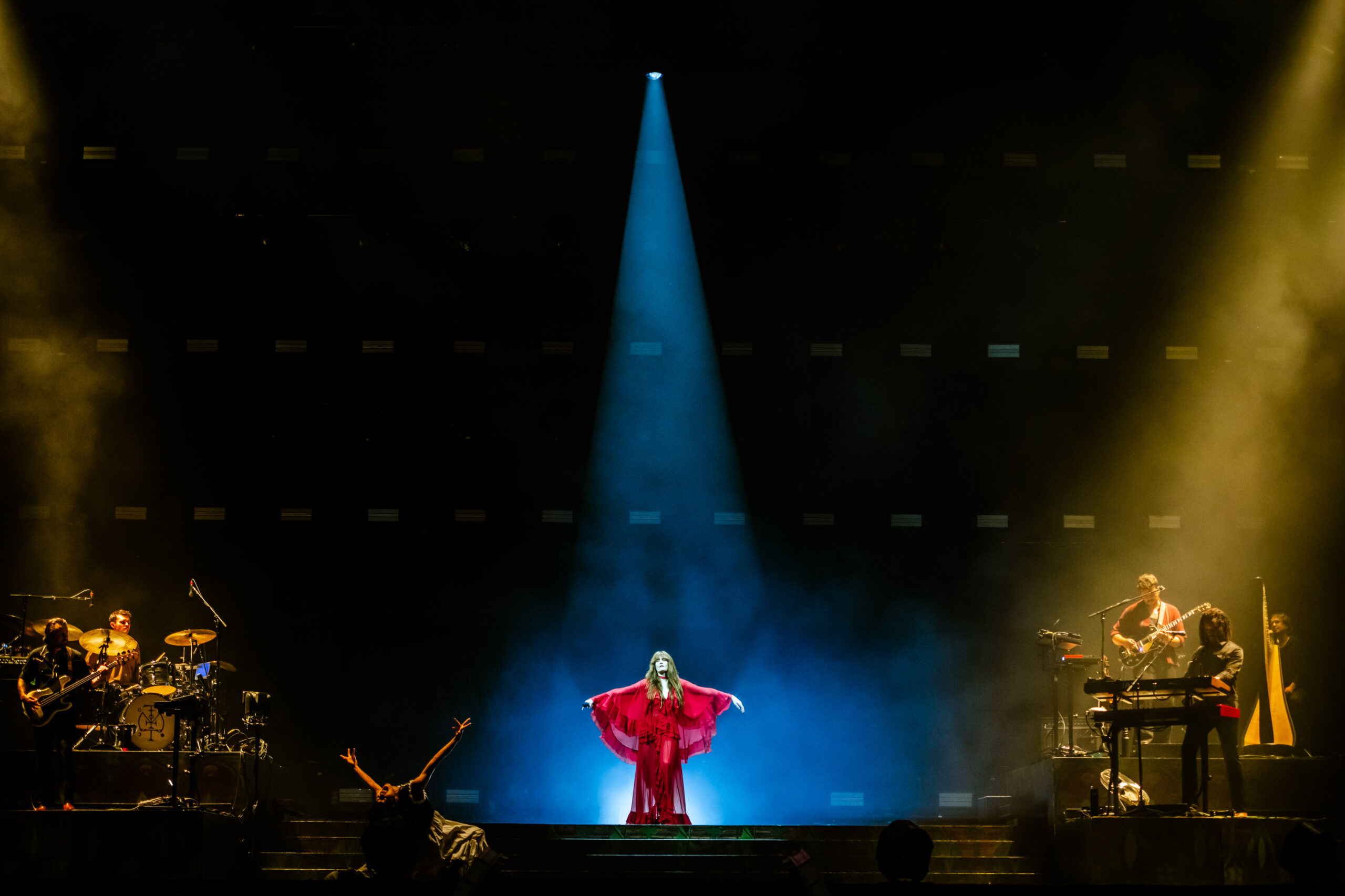
None of this means the headline performances feel secondary.
Thursday’s Main Stage brought Florence + The Machine and Lewis Capaldi, while Friday shifted gears with Skepta and Bring Me The Horizon.
The production was excellent across both days. The sound was consistently good, the stage felt huge without making it impossible to get close and, despite the crowds, there was generally enough room to find a decent place to stand.
Lewis Capaldi was as funny between songs as expected, particularly when the bungee jump repeatedly caught his attention mid-set. Florence + The Machine felt made for a festival stage, with a performance that easily filled the scale of the space.
Friday had a completely different feel. Skepta brought one of the liveliest crowds of the two days before Bring Me The Horizon closed out the Main Stage later that night.
The variety works. Pop, indie, grime, rock and electronic music can all appear within the space of a day without Sziget feeling like it is trying to cater to everyone for the sake of it.
Sziget Gets Better After Dark
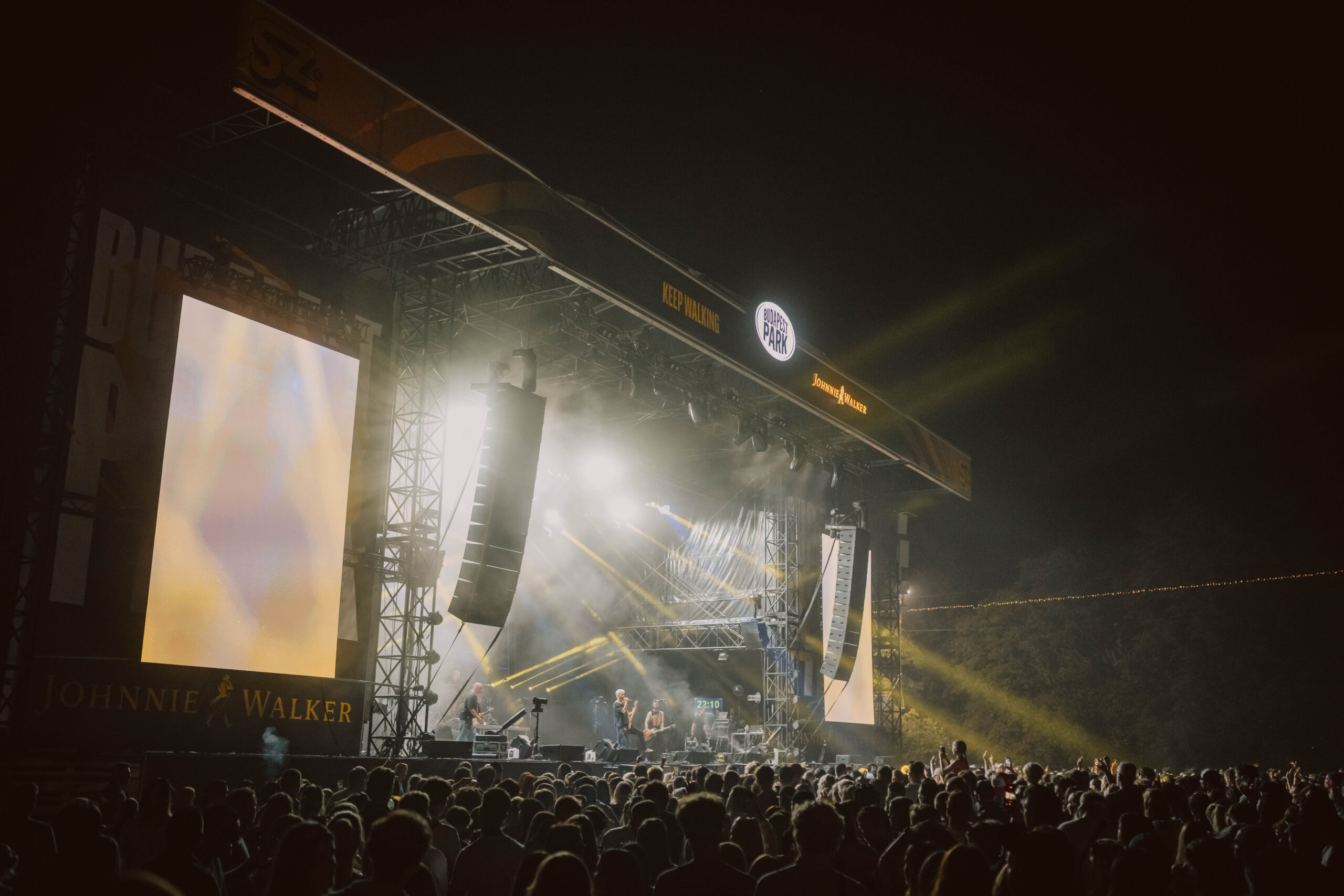
Once the Main Stage starts winding down, the rest of the festival doesn’t.
At night, Sziget shifts into something else entirely. DJ tents fill up, bars get busier and parties appear across different corners of the island.
The crowd is noticeably friendly too. With people travelling from all over Europe and beyond, there is a genuinely international atmosphere and a sense that people are there to experience the festival rather than simply wait for one particular artist.
Instead of one huge crowd heading for the exit after the final Main Stage performance, people spread out across the site and carry on.
It is very easy to come for the headline acts and end up staying several hours longer than planned.
Getting Around With the Sziget App
For a festival this big, the official Sziget app is worth downloading before arriving.
Artists can be saved to create a personal schedule, making it much easier to keep track of who is playing and when. Once inside, however, the live festival map becomes even more useful.
Sziget is enormous, and after dark it becomes very easy to forget which direction a particular stage, bar or tent is in. The app’s navigation makes getting around the site far simpler, particularly when trying to move quickly between performances.
It sounds like a small detail, but at a festival where there is constantly something happening in different areas, it makes a real difference.
Sziget Is Changing
Sziget is now 33 years old, which means there are people who have been coming to the festival for decades alongside a much younger crowd experiencing it for the first time.
The festival is trying to cater to both without relying too heavily on nostalgia.
This year, the days leading into the main festival included artists connected to Sziget’s history, bringing back some of the older Hungarian audience who grew up with it. At the same time, the wider strategy is about keeping Sziget relevant as a major European festival and giving international visitors more reason to stay for several days rather than buying a ticket for one particular artist.
The increased focus on Hungarian music, arts and culture feels important here too. Sziget could quite easily become another enormous European festival with an international line-up that could appear almost anywhere. Giving more space to Budapest and Hungary helps retain a sense of where the festival actually is.
Is Sziget Festival Worth It?
If the headliners are the only consideration when deciding whether to book Sziget, some of its best parts are being overlooked.
The music is excellent, but so is everything happening around it. A day can involve watching some of the biggest artists on the line-up, taking a zip line across the festival, wandering through an art installation, finding an unexpected DJ set and ending up browsing an ALDI somewhere in between.
It is well organised, staff are helpful, transport back into Budapest is easy and, despite the sheer size of the festival, it feels safe.
Sziget also works because there isn’t one particular way to experience it. Camping is there for those who want to stay immersed in the festival for the week, but booking a hotel in Budapest and travelling in each day works just as well.
There is no real need to plan every hour either.
Some of the best parts of Sziget are the things found between the acts that were already on the schedule.
The headliners might get people to Budapest. The rest of the island is what makes Sziget worth the trip.
Book 2027 Sziget tickets here.
For more recommendations, visit TONE Magazine LDN and our Outings page.