A Grand Central Moment
New York has a habit of announcing its next big thing in plain sight. Sometimes it’s a restaurant opening that everyone queues for. Other times, it’s a pop-up that stops commuters mid-stride. Earlier this year, it was a padel court inside Grand Central Terminal.
Installed in Vanderbilt Hall, the Kith Ivy Padel at Grand Central activation transformed one of the world’s busiest transport hubs into a temporary sporting venue. Free public sessions ran throughout the week, alongside fashion previews and crowds of onlookers. For visiting Brits used to New York’s theatrical flair, it felt like a very NYC way to say: pay attention, this matters now.
Padel, a fast-paced, doubles-only racquet sport that blends elements of tennis and squash, has been popular in Spain and parts of Europe for years. But in New York, it’s taking on something extra. Less clubby than tennis, more social than the gym, padel has quickly become the city’s latest cultural shorthand for wellness, connection and taste.

Why Padel Works in New York
To understand padel’s appeal, you have to understand New York. This is a city where schedules are tight, apartments are small, and social lives are carefully curated. Padel fits neatly into that ecosystem. Games are quick, courts are compact, and because it’s always played in doubles, conversation is built in.
Unlike tennis which can feel formal, expensive and intimidating padel welcomes beginners. You don’t need years of coaching or a country club membership. You just need a free hour, a partner, and a willingness to rally. For New Yorkers, that accessibility has turned padel into a new way to network, date, decompress and stay fit, all at once.
For UK readers, the parallels are easy to spot. Just as London embraced boutique fitness studios and social running clubs, New York has found something in padel that goes beyond exercise. It’s not about training for anything. It’s about showing up.
The Tech Powering the Trend
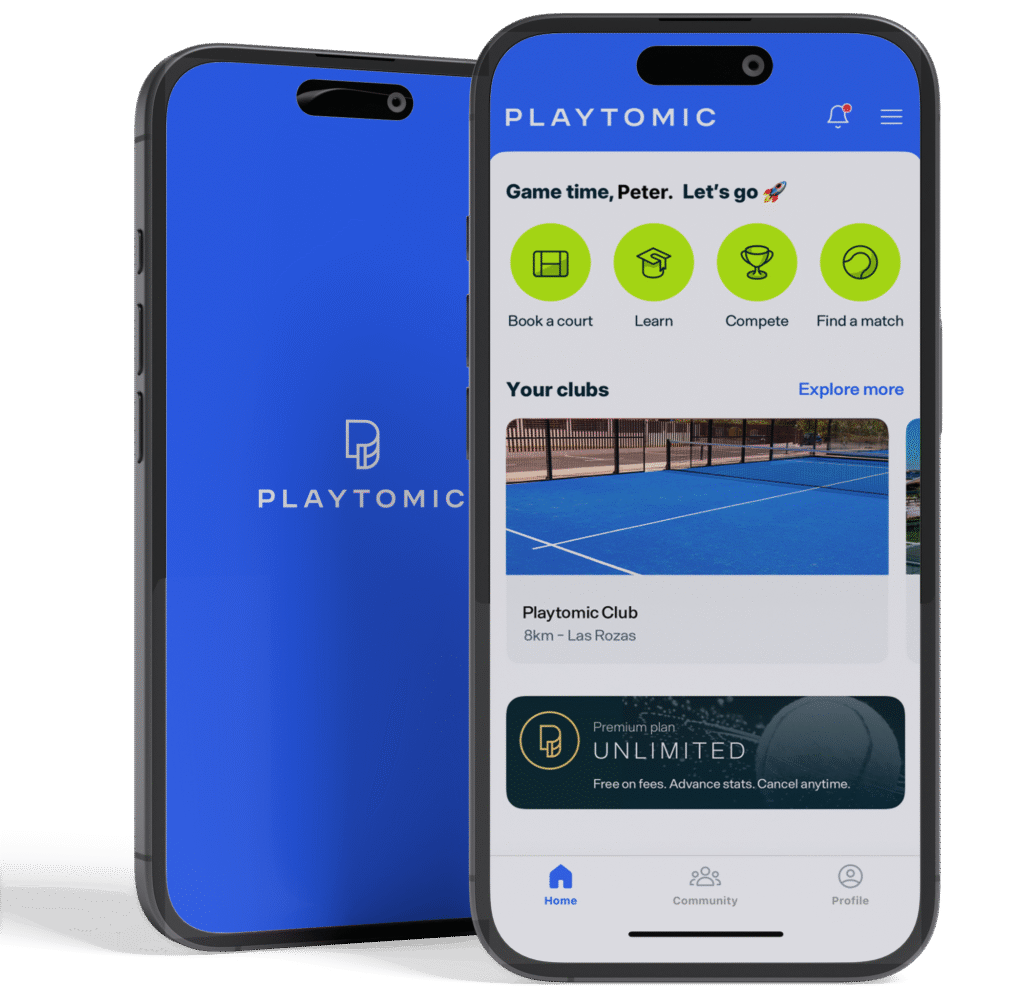
Behind padel’s rapid growth is Playtomic, a Spanish-founded app that has quietly become the sport’s digital backbone. Think of it as part booking system, part social platform. Players use it to find courts, join matches with people at a similar level, and organise games without the logistical headache.
Playtomic’s data paints a picture of a sport in acceleration. More than 112,000 people in the U.S. are now playing padel each month, with courts operating in 31 states. But New York stands out as one of the fastest-growing market not just in participation, but in cultural visibility.
In March 2025, Playtomic was valued at around $273 million following a new funding round, a clear signal that investors see padel as more than a passing craze. Founder and CEO Pablo Carro has since relocated to the U.S., underscoring how central America and New York in particular has become to padel’s global future.
From Courts to Culture
Padel’s rise isn’t confined to the city. In the Hamptons, Wolffer Estate Vineyard recently hosted the Pro Padel League All-Star Game, blending elite sport with wine, hospitality and summer socialising. It’s a familiar formula sport meets lifestyle, but one that padel seems uniquely suited to deliver.
For UK observers, New York’s embrace of padel feels like a preview. The city has long been a cultural testing ground, exporting trends that later appear in London, Paris and beyond. What starts as a pop-up in Grand Central has a habit of ending up everywhere else.
More than anything, padel reflects a shift in how people want to spend their time. It’s active without being punishing, social without being forced, and stylish without trying too hard. In a city that thrives on momentum, padel isn’t just the new sport, it’s the new meeting place.
And if New York has anything to say about it, this is only the beginning.
For more padel and fitness recommendations, visit TONE Magazine LDN

![SalonCStellar_treatment room_3_final[7][65]](https://tonemagazineldn.com/wp-content/uploads/2026/01/SalonCStellar_treatment-room_3_final765.jpg)