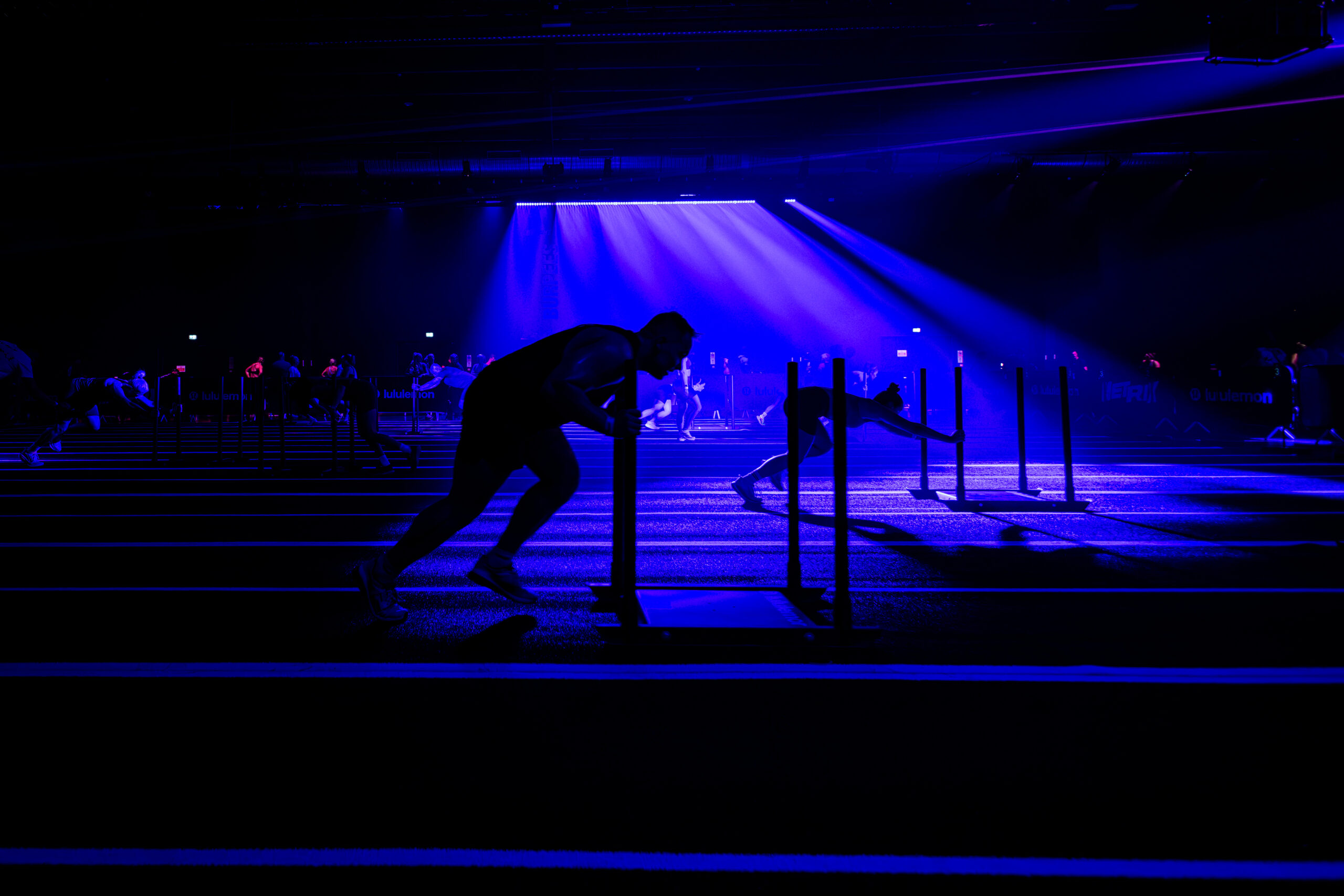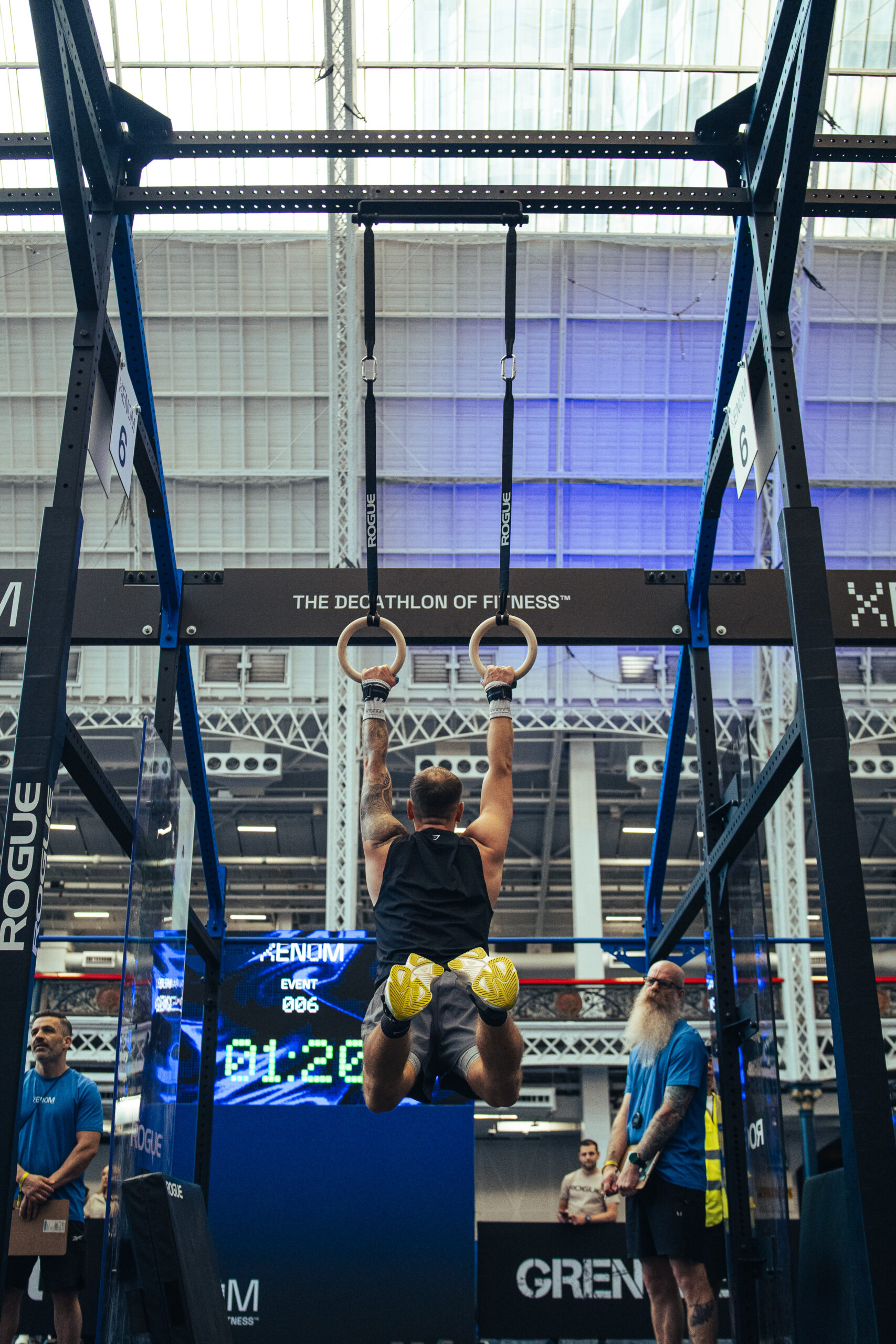
TRYKA has attracted more than 50,000 attendees in nine months and is now heading to the UK. But founder Brian Lee isn’t interested in creating another HYROX. His ambition is to build something bigger: a fitness community where you don’t have to be the fastest, strongest or fittest person in the room to belong.
Hybrid fitness is booming. But for Brian Lee, the future isn’t necessarily about finding out who can finish a workout fastest. It’s about creating a reason for more people to show up in the first place.
Brian has already built and exited a successful health focused business, competed in jiu-jitsu and qualified as a personal trainer. Now, with TRYKA, he’s combining his experience in fitness, entrepreneurship and brand building to create what he believes could become a new kind of fitness community.
With more than 50,000 attendees in its first nine months and around 30% of participants new to hybrid racing, the proposition appears to be resonating.
As TRYKA prepares for its UK debut, we sat down with Brian Lee to find out why he’s so focused on culture, why he doesn’t want TRYKA to become another HYROX and what he thinks the future of fitness looks like.
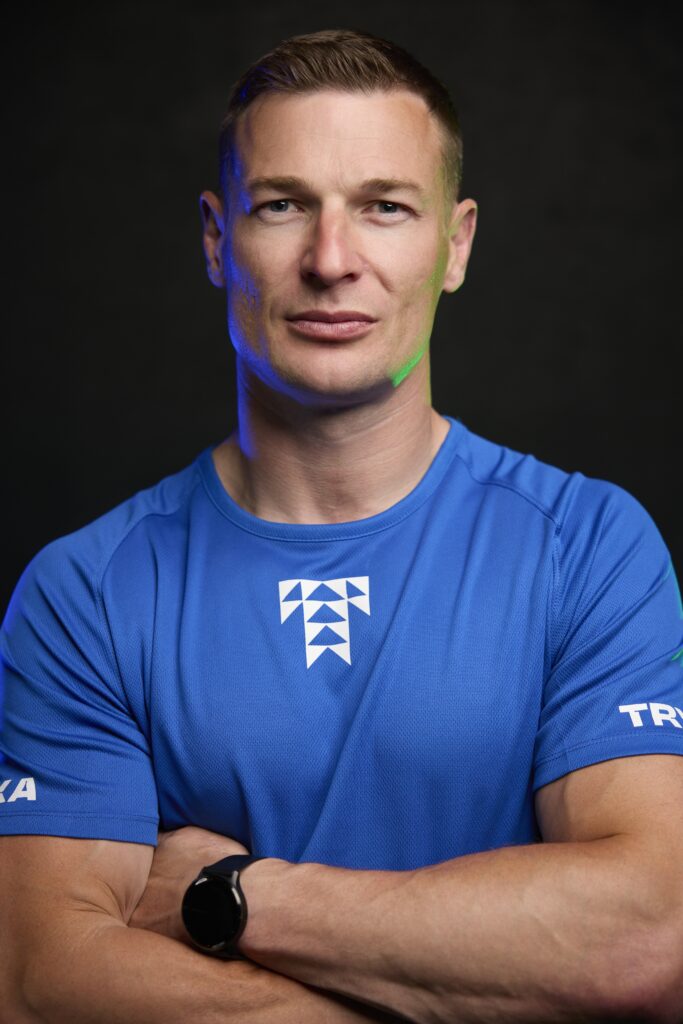
You’ve already built and exited a successful health-focused business. Why fitness racing and why now?
I’ve always enjoyed fitness. I’ve competed in jiu-jitsu, I’m a qualified personal trainer and I’ve always been interested in performance, but I wanted to do something that had a bigger impact. I’ve spent a lot of time building brands and businesses, understanding how you take something from an idea and scale it, and I wanted to bring that experience into fitness.
With TRYKA, I’m combining those two worlds. The opportunity is to take what I know about building businesses and apply it to a sport and community that I genuinely care about.
You talk about TRYKA being for the 80% of people who train but don’t necessarily see themselves as “race people”. What was missing from existing fitness events?
There are a lot of great fitness events, but the space can sometimes feel dominated by elite athletes. If you’re watching the fastest people in the world, it can be intimidating if you’ve never done a fitness race before.
We wanted to lower that barrier to entry. That’s why we’ve introduced shorter, more accessible formats, including our 500m race, which has become particularly popular with women. You can still come and compete seriously, but you don’t need to be an elite athlete to take part.
How important is that sense of belonging to TRYKA?
It’s fundamental to what we’re building. Our tagline is Come As You Are, and that’s genuinely how we want people to feel when they arrive. You don’t need a certain level of fitness or a particular background to be part of it.
Some people are there chasing a PB, others are racing for their gym, supporting a friend or bringing their family. There’s no single reason to take part, and I think that’s what makes the experience different.
You’ve talked about “fandom” around TRYKA. What does that actually look like?
We don’t want TRYKA to be something you only experience for the 30 or 40 minutes you’re racing. That’s why we’ve introduced fan tickets and created an environment where people can come along and watch.
We’re already seeing people stay at our events long after they’ve finished racing. There’s music, food, entertainment and a real atmosphere around the competition. Ultimately, we want race day to feel like an event you want to spend the day at, whether you’re competing or not.
Is there a danger that even an inclusive race becomes intimidating once people start comparing times?
People will always compare times. That’s natural, and competition is an important part of sport. The key is making sure that performance isn’t the only measure of success.
If you want to go all-out and chase a PB, you should be able to. But someone doing their first race should be able to have an equally positive experience. Those two things can exist alongside each other.
Why was it important to introduce TRYKA Junior and TRYKA Clan?
We don’t want fitness to be something that only adults experience. TRYKA Junior gives eight-to-15-year-olds a way into the sport, with doubles formats and different distances depending on age.
TRYKA Clan is slightly different because it’s deliberately non-competitive. There’s no podium and you don’t even have to be related. It’s simply about getting people moving together and having fun. If someone leaves one of those events wanting to do more fitness, then we’ve achieved what we set out to do.
You’ve reached 50,000 attendees incredibly quickly. What’s the ambition now?
There’s a huge opportunity, but our priority is getting the foundations right. We’ve grown quickly, and the temptation is always to chase the next market, but I’d rather make sure the experience is excellent before accelerating further.
I’ve scaled businesses before, so I know growth brings complexity. You need the right systems, people and processes in place, otherwise you can grow faster than the business can support.
You’re also building your own technology. Why is that important?
We want to own as much of the athlete experience as possible. We’ve got our own CTO and we’re building our own ticketing platform and app so people can manage their experience in one place.
That means being able to manage your race, transfer an entry to a friend or make changes through your own dashboard. It gives us more control over the experience and, importantly, allows us to keep improving it based on what our athletes actually need.
So, where do you want TRYKA to be in five years?
I want TRYKA to become much bigger than a series of fitness races. The opportunity is to build a global fitness brand that people genuinely feel connected to.
But scale isn’t the goal on its own. If we grow and lose the personality and culture that made people want to join in the first place, then we’ve missed the point. Success for me is building something that people feel is theirs — somewhere they can compete, have fun and keep coming back to.
If you have been inspired you can find your next TRYKA race here
For more fitness recommendations, visit TONE Magazine LDN.