If you are training for a marathon or half marathon, it is easy to become obsessed with the fast stuff. Tempo runs, intervals, marathon pace sessions and long runs get all the attention, but the miles in between are arguably just as important.
Easy running makes up a significant proportion of most distance training plans, helping build aerobic fitness while allowing your body to absorb the harder sessions. The problem is that runners often turn an easy run into something that is neither particularly easy nor particularly useful. Running every session too hard can leave you carrying fatigue into your next workout, which is exactly what you are trying to avoid.
That is where a good easy day running shoe comes in. Rather than reaching for your carbon-plated racer or lightweight tempo shoe every time you leave the house, having a dedicated daily trainer gives you something comfortable, protective and dependable for the miles that build your overall volume.
For marathon training in particular, where weekly mileage can climb quickly, the right easy shoe can become the most-used trainer in your rotation. Here are three worth knowing about.
1. For A Classic Daily Trainer: HOKA Clifton 11
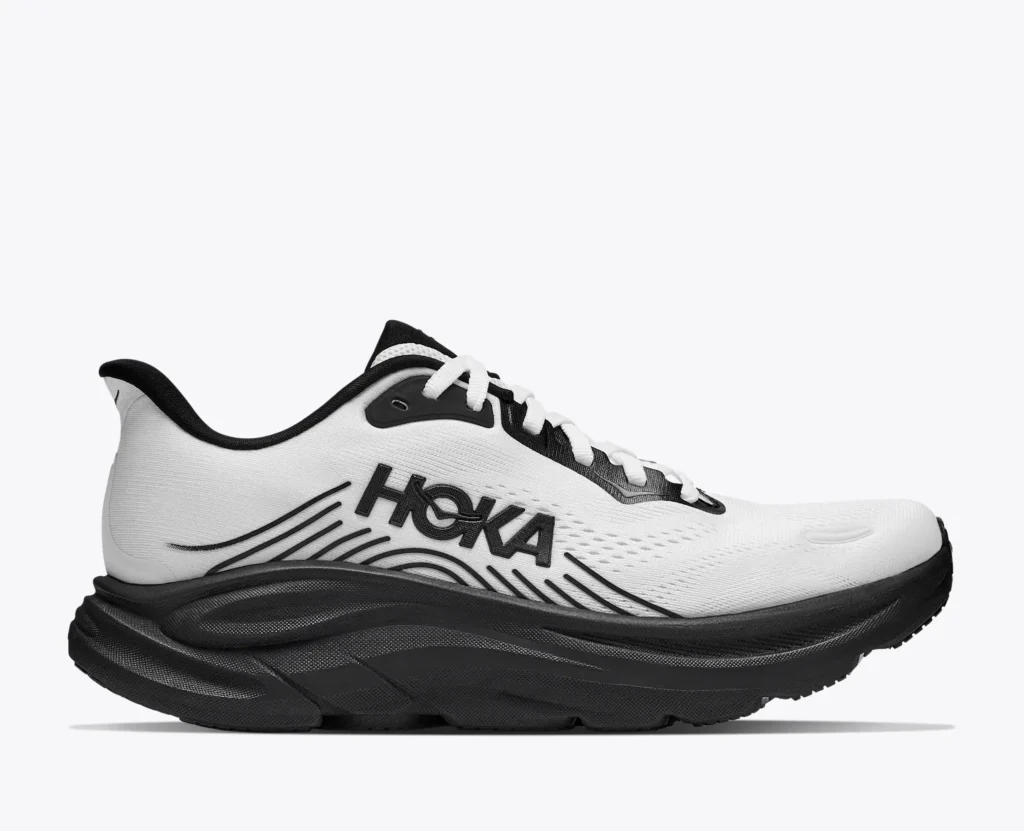
What: HOKA’s latest Clifton is built around the same idea that has made the line such a popular daily trainer: plenty of cushioning without turning the shoe into an overly heavy max-cushion monster. The Clifton 11 uses a compression-moulded EVA midsole, an 8mm drop and HOKA’s Smooth MetaRocker geometry, designed to help create a fluid transition from heel to toe. The latest version also gets an updated engineered mesh upper, a softer sockliner and additional comfort around the heel and tongue.
The Clifton 11 is also relatively light for the amount of shoe underneath you, with HOKA listing the men’s version at around 283g and a 42mm heel stack. Independent testing also found the shoe particularly suited to easy mileage, with its softer ride favouring comfortable running rather than outright speed.
When: Particularly useful when you have a faster workout coming up and want your easy day to actually feel easy. It is also a strong option for runners who want one dependable shoe that can handle everything from a short recovery jog to a longer aerobic run.
2. For Maximum Cushioning: Nike Vomero Premium
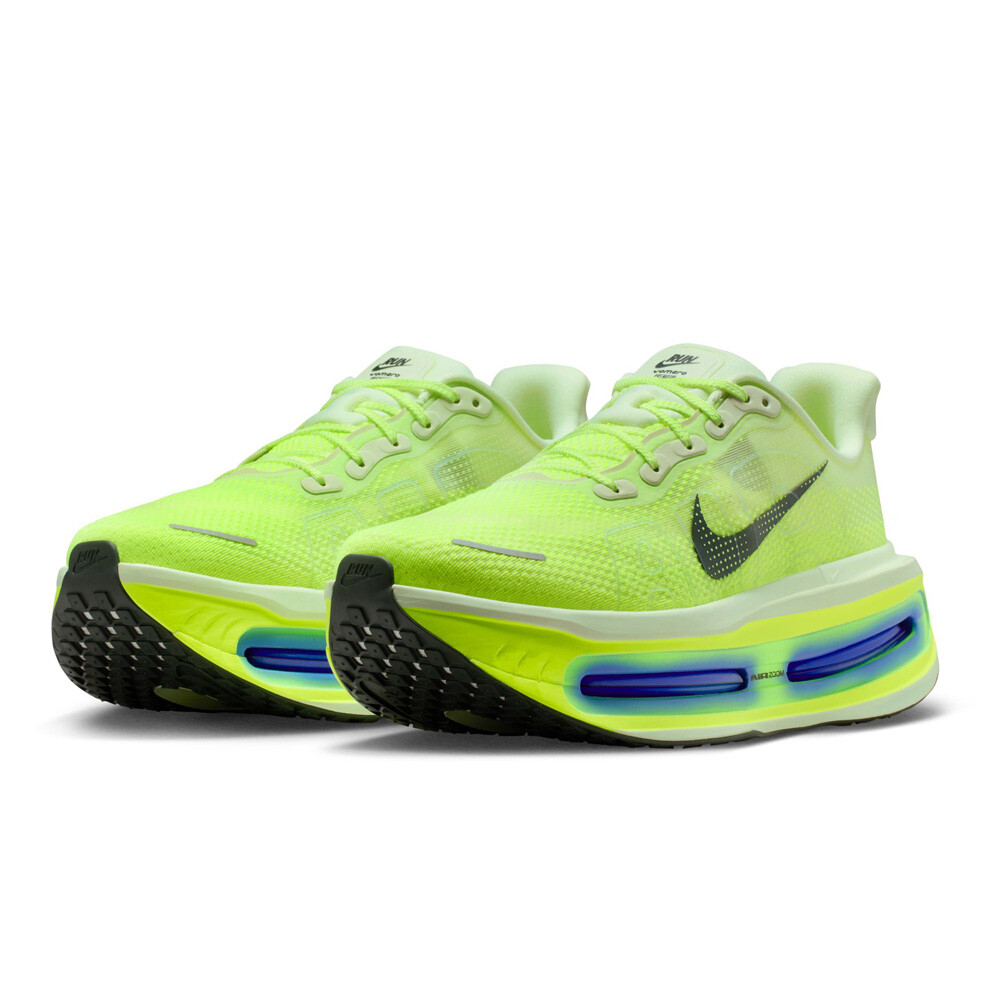
What: Nike has taken the idea of an easy-day shoe and turned the cushioning dial almost as far as it can go. The Vomero Premium combines a full-length ZoomX foam midsole with Air Zoom units in both the heel and forefoot, creating an exceptionally cushioned road-running shoe.
The headline figure is the enormous 55mm heel stack, making it Nike’s tallest road-running shoe. It is also considerably heavier than a conventional daily trainer at approximately 351g in a men’s UK 9, but that is rather the point. This is about protection and comfort rather than chasing a Strava segment.
Nike specifically positions the Vomero Premium around daily training, recovery and higher-mileage running, with the combination of ZoomX and Air Zoom designed to reduce the impact of repeated miles. There is no carbon plate here, with the cushioning system doing the work instead.
When: When comfort is the priority. It is the shoe to reach for when your legs are carrying fatigue and you want the softest possible ride. It is less about feeling fast and more about making 10, 15 or 20 kilometres feel manageable.
3. For A Smooth, Traditional Ride: Mizuno Wave Rider 30
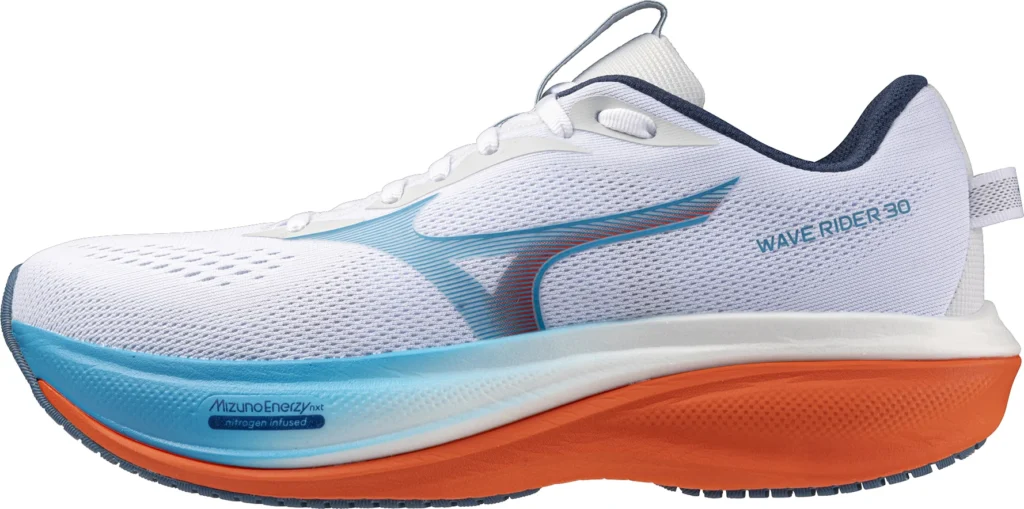
What: The Wave Rider has been around for decades, but the Wave Rider 30 introduces one of the biggest changes in the model’s history. For the first time, Mizuno has fitted the shoe with a full-length Wave Plate, alongside nitrogen-infused Mizuno Enerzy NXT foam in the upper part of the midsole.
The result is designed around what Mizuno describes as a smooth, cruise-like transition from heel to toe. The shoe has an 8mm drop and a 34.5–42.5mm stack, giving it plenty of cushioning without moving into the extreme territory of the Vomero Premium.
That makes the Wave Rider 30 an interesting middle ground. It has the cushioning needed for accumulating miles but retains a more traditional running-shoe feel, with the Wave Plate helping guide the transition through the stride. For runners who do not want an ultra-soft, max-cushioned sensation every time they head out, this could be the more natural-feeling option.
When: Ideal for the middle of a marathon or half-marathon training week when you want cushioning and protection without completely disconnecting yourself from the road.
Why Easy Running Shoes Matter
The temptation during a marathon build is to make every run count. But not every run needs to be a workout.
Easy mileage gives you the opportunity to build aerobic fitness and accumulate volume while keeping the intensity low enough to recover for the sessions that actually require you to push. Coaches and exercise physiologists commonly recommend that a large proportion of marathon training is performed at an easy effort, with some guidance putting the figure around 80 percent of weekly mileage.
That makes your easy running shoe arguably one of the most important shoes in your collection.
The key is not to judge an easy shoe by how fast it feels. In fact, the opposite can be useful. If a trainer encourages you to settle into a genuinely comfortable pace, keeps your legs feeling protected and leaves you ready for your next workout, it is doing exactly what it needs to do.
The fast shoes might get you across the finish line. But it is the easy miles that help get you there.
For more recommendations, visit TONE Magazine LDN