Staying in has become the new going out, and according to new research from Waitrose, the humble dinner party is once again at the centre of British social life. This time, however, it comes with a distinctly retro twist. Across the UK, people are embracing the return of the 1980s dinner party, complete with prawn cocktails, quiche Lorraine, Champagne, dramatic table settings and nostalgic desserts that feel lifted straight from a vintage hostess handbook.
What was once considered dated or overly theatrical is now being rediscovered by a younger generation eager to turn entertaining at home into something more meaningful and expressive. Nearly half of UK adults believe classic dishes from the 1980s are returning to popularity, while almost a quarter say the decade has become the most popular theme for dinner parties today.
The Return of Prawn Cocktails:
At the heart of the comeback is a renewed appetite for nostalgic comfort food. The prawn cocktail, perhaps the most iconic retro starter of them all, has officially returned to favour, topping the list of dishes people most want to see back on menus.
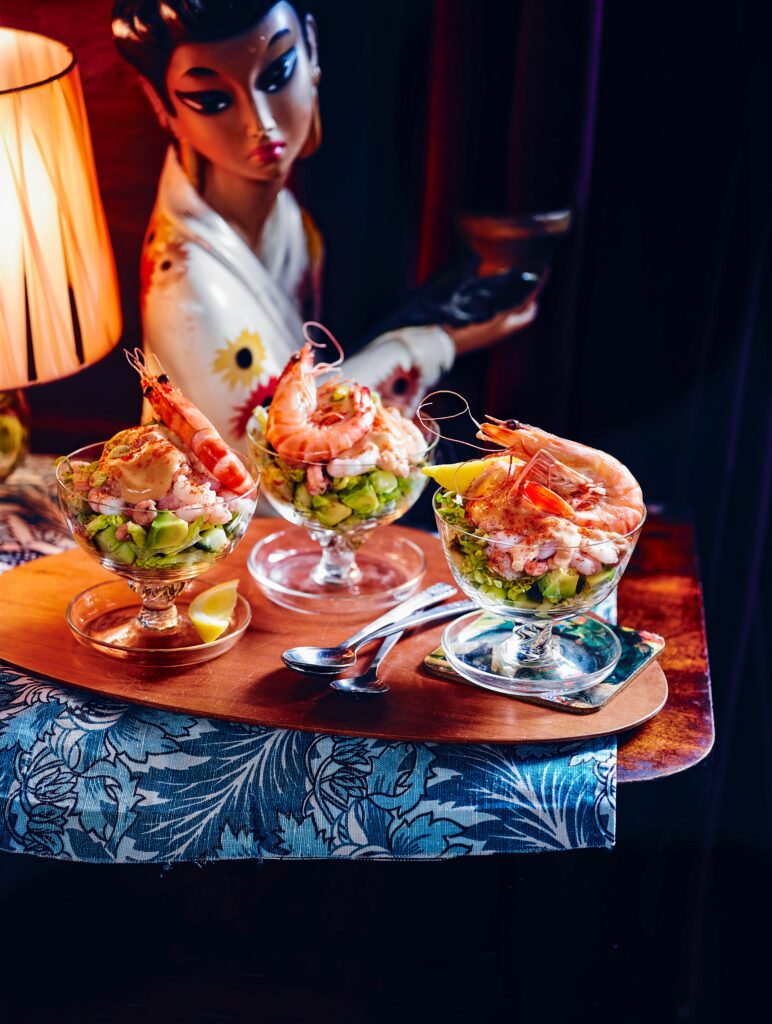
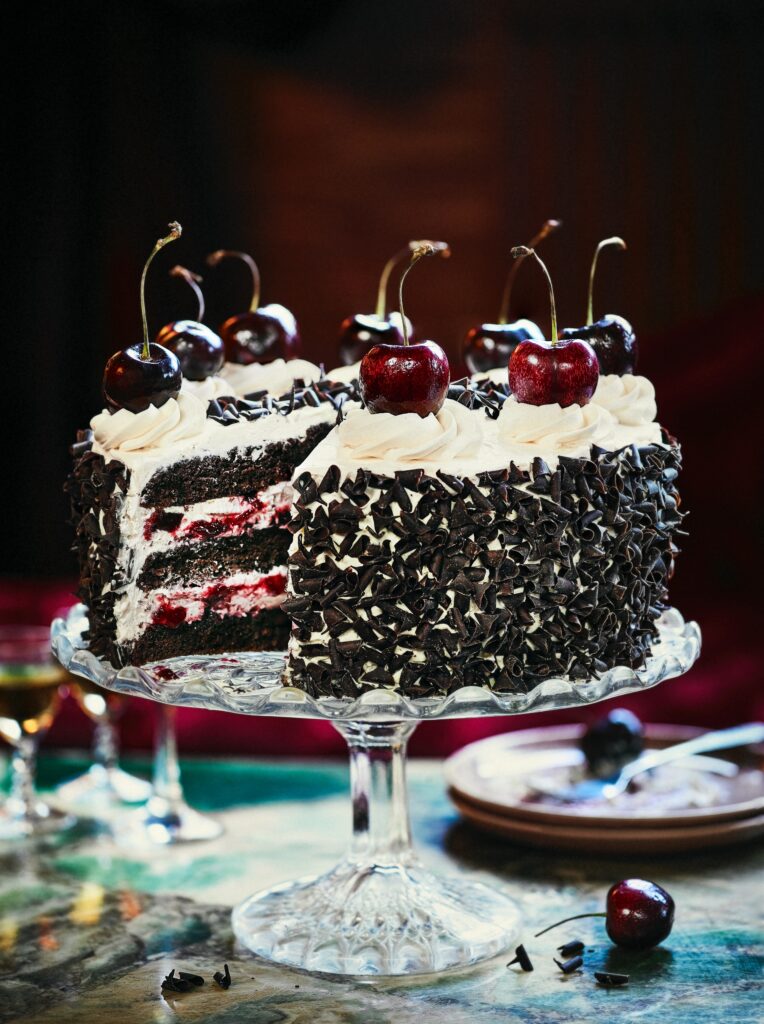
Alongside it are rich classics such as beef bourguignon, bread and butter pudding, banana splits and quiche Lorraine, all dishes that embody indulgence, familiarity and a sense of occasion. These are meals designed not just to feed guests, but to create atmosphere and conversation around the table.
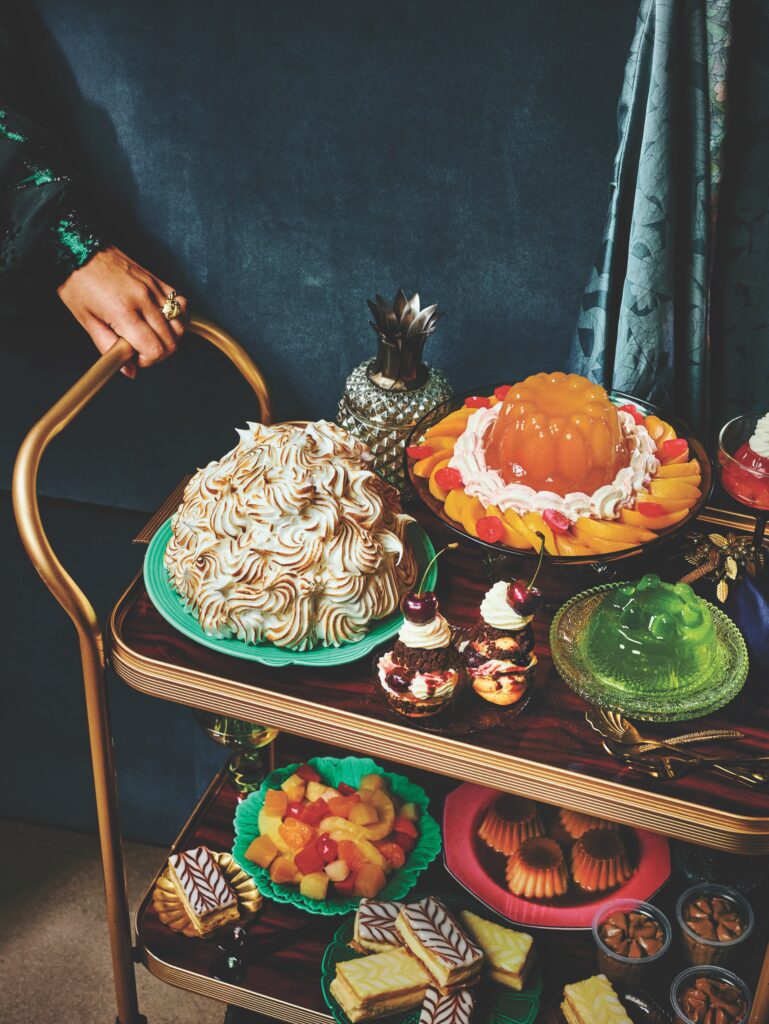
The trend is already influencing shopping habits. Waitrose reports significant rises in sales of nostalgic products, including dramatic increases in prawn cocktail, tiramisu and apple tarte tatin sales, suggesting consumers are actively recreating these retro dining experiences at home.
Why Are We Embracing Dinner Parties Again:
Part of the appeal lies in the theatre of it all. The 1980s dinner party represented a style of entertaining that felt unapologetically glamorous. Guests dressed up, tables were carefully styled and every course was presented with intention. In an era dominated by convenience culture and quick dining, there is growing appeal in slowing things down and making an evening feel special again.
Younger generations appear to be driving much of the movement. Many now host more frequently than they did just a few years ago, using dinner parties not only as a social activity but also as a form of self expression.
The rise of social media has also played a role, with entertaining increasingly becoming visual and performative. Hosts are more conscious of presentation, food styling and atmosphere, creating gatherings that feel curated and memorable rather than casual or improvised.
Waitrose Launches The Dinner Party Decade:
Recognising the growing appetite for retro entertaining, Waitrose has launched “The Dinner Party Decade”, a guide designed to help modern hosts recreate the spirit of 1980s entertaining while adapting it for contemporary lifestyles. The guide explores everything from guest lists and menu planning to styling retro tablescapes and choosing nostalgic drinks, while also encouraging practical shortcuts that remove some of the pressure modern hosts often feel.
To bring authenticity to the campaign, Waitrose partnered with Hilary and Michael Whitehall, who reflected on the original era of 1980s entertaining and the sense of occasion that defined it. For them, dinner parties were never about perfection, but about atmosphere, conversation and making guests feel welcome.
The Return of Hosting as Self Expression:
That balance between effort and ease appears to be central to why the trend resonates today. While younger hosts are embracing the creativity and spectacle of retro entertaining, they are also searching for experiences that feel warm, communal and genuine.
In a world increasingly shaped by digital interactions and fast paced lifestyles, the return of the dinner party offers something slower, more personal and more immersive. Hosting has evolved beyond simply serving food and has become a creative extension of personal identity, where playlists, lighting, styling and storytelling are just as important as the menu itself.
Not every retro dish is being welcomed back quite so enthusiastically. Foods such as salmon mousse, devilled eggs and Findus crispy pancakes remain firmly in the culinary past for many Britons. Yet overall, the appetite for nostalgic dining continues to grow, fuelled by a desire for comfort, escapism and shared experiences.
The Verdict:
The return of the 1980s dinner party is about far more than nostalgia. It reflects changing attitudes towards entertaining, where socialising at home has become more thoughtful, immersive and experience driven.
Whether through maximalist table settings, indulgent menus or carefully curated playlists, today’s dinner parties are once again becoming occasions in their own right. And if Waitrose is right, Britain’s appetite for retro hosting is only just beginning.